Tools to Honor the Trust
Safeguarding is a shared responsibility—an Amana (trust) that we uphold through education and action. Access our library of culturally-sensitive, evidence-based resources designed to help you protect, empower, and advocate for every child.
At Amana, we believe that safeguarding is not just a policy, it is a shared responsibility rooted in the sacred trust we hold for our children. Our resource library is designed to bridge the gap between global clinical research and the unique cultural realities of the Arab world. Whether you are a parent seeking to strengthen your home’s safety or a professional looking to reform institutional culture, these tools provide the evidence-based strategies needed to protect, empower, and advocate for every child's right to safety.
For Parents
The Home Safeguarding Hub
This section focuses on practical, age-appropriate communication and home safety.

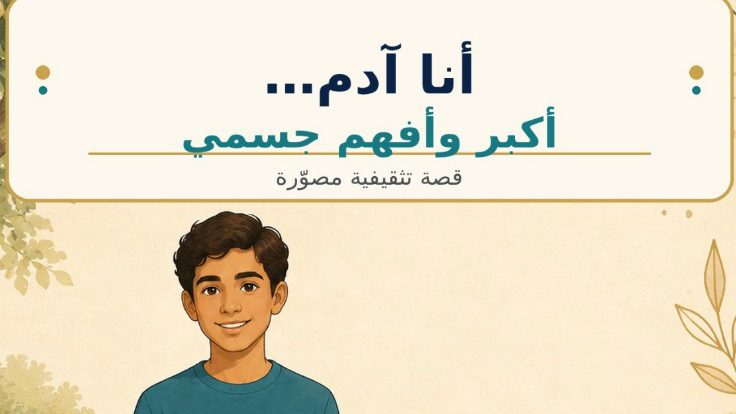
10 Big Questions Children Ask — And How to Answer Them

Community Letter
View More

Safeguarding Questionnaire
Safeguarding Checklist

Natural Development & Red Flags in Sexual Behavior of Children

Grooming Awareness and Prevention Checklist

Subscribe to
my newsletter
Stay informed with the latest research and receive new toolkits directly in your inbox.
For Professionals
Institutional Excellence
This section focuses on practical, age-appropriate communication and home safety.

When Things Feel Uncertain

What are Mammals Made of?

Natural Development & Red Flags in Sexual Behavior of Children
View More

Safeguarding Checklist
Frequently Asked Question
Earlier than most people think…but in simple, age-appropriate ways.
Body safety is not one big conversation. It is a series of small, natural conversations that grow with your child.
Even very young children can learn simple ideas like:
• “Your body belongs to you.”
• “You can say stop if something feels uncomfortable.”
• “If something confuses you, you can always come tell me.”
As children grow, these conversations expand to include boundaries, privacy, respect, and trust.
At AMANA, we see body safety not as a difficult talk, but as part of raising children who feel safe in their bodies and connected to the adults who care for them.
Children are usually not scared by these conversations.
What frightens children is confusion, secrecy, or feeling alone with something they do not understand.
When safety is discussed calmly and naturally, children often experience the opposite of fear. They feel relief knowing that:
• they can ask questions
• they can talk about uncomfortable things
• the adults in their lives are safe people to come to
We don’t; want to burden children with adult worries. But our goal is to give them language, trust, and connection.
Innocence is not lost through knowledge, on the contrary, It is protected through relationships where children feel safe to speak.
Children do not need spoken language to learn safety.
Safety can be taught through:
• visuals and picture systems
• modeling and role-play
• body signals like “stop” or moving away
• identifying trusted adults
• practicing asking for help in ways that work for them
For children with developmental differences, safeguarding is especially important because they may rely more on adults around them.
The key is to teach safety in the same way we teach other life skills slowly, visually, and through repetition. Always respecting the child’s communication style.
Every child deserves to understand their body, their boundaries, and who they can trust.
Many families worry that these conversations will feel culturally uncomfortable.
In reality, most cultures ,including ours , deeply value dignity, respect, and protecting children.
Safeguarding conversations can be framed through those shared values:
• respect for the body
• personal dignity
• trust within the family
• knowing when to seek help
You do not need explicit language or uncomfortable discussions.
What matters most is that children understand:
“Your body deserves respect, and you can always come to us.”
When these conversations are grounded in values rather than fear, they feel much more natural within conservative families.
Still in doubt?
Book a call with Dr. Asmahan.